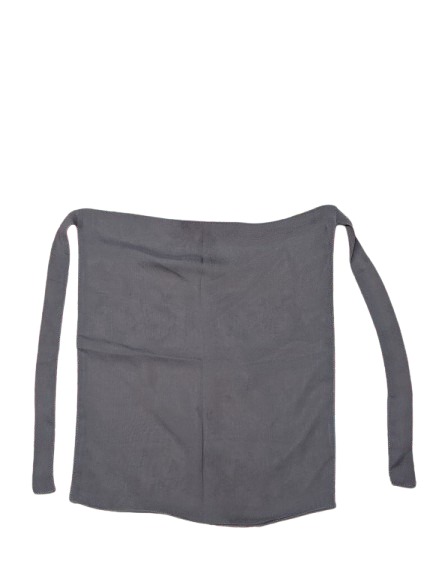
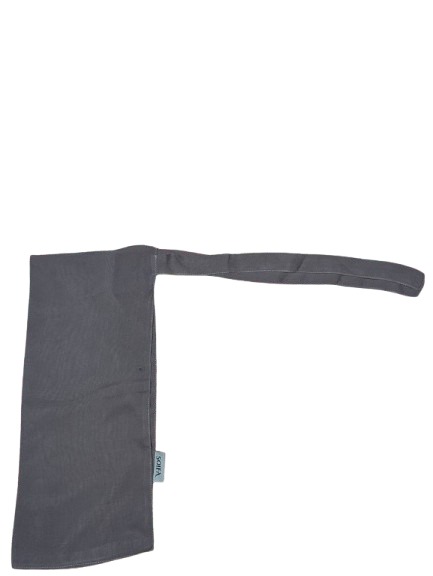
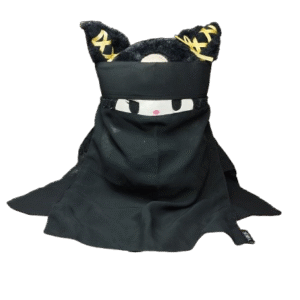
Niqab (Gray colour)
Original price was: ₨ 600.₨ 450Current price is: ₨ 450.
The niqab is a face veil worn by some Muslim women for modesty, covering the face except for the eyes.
Availability: 40 in stock
Key Aspects of the Niqab:
-
Religious Significance: The niqab is seen by some Muslim women as a way to fulfill the Islamic principle of modesty, known as haya. Interpretations of religious texts vary, and while some scholars advocate it as obligatory, others consider it recommended or optional.
-
Cultural Variation: The wearing of the niqab is more common in certain countries or communities, such as parts of the Gulf region, Yemen, and some areas of South Asia. Its prevalence and style can differ based on local customs, traditions, and religious teachings.
-
Distinction from Hijab: The hijab refers to a headscarf that covers the hair and neck but leaves the face visible. The niqab, on the other hand, includes the face covering, making it a more extensive form of covering.
-
Contemporary Debate: The niqab is often at the center of social and political discussions, especially in non-Muslim-majority countries, where it raises debates about religious freedom, security, and women’s rights.
In summary, the niqab is both a religious and cultural garment that reflects personal belief and identity for many women, while also being a subject of broader social and political discourse.
Related products
-
Niqabs
Eating Friendly Niqab
Original price was: ₨ 1,500.₨ 1,000Current price is: ₨ 1,000. Add to cart -
Niqabs
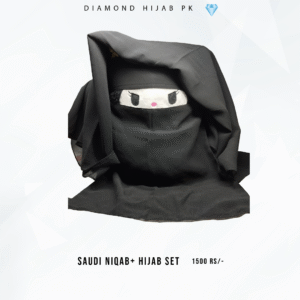
Saudi Niqab + Hijab Set
Original price was: ₨ 1,700.₨ 1,500Current price is: ₨ 1,500. Add to cart
Reviews
There are no reviews yet.